Category: Industrial Equipment
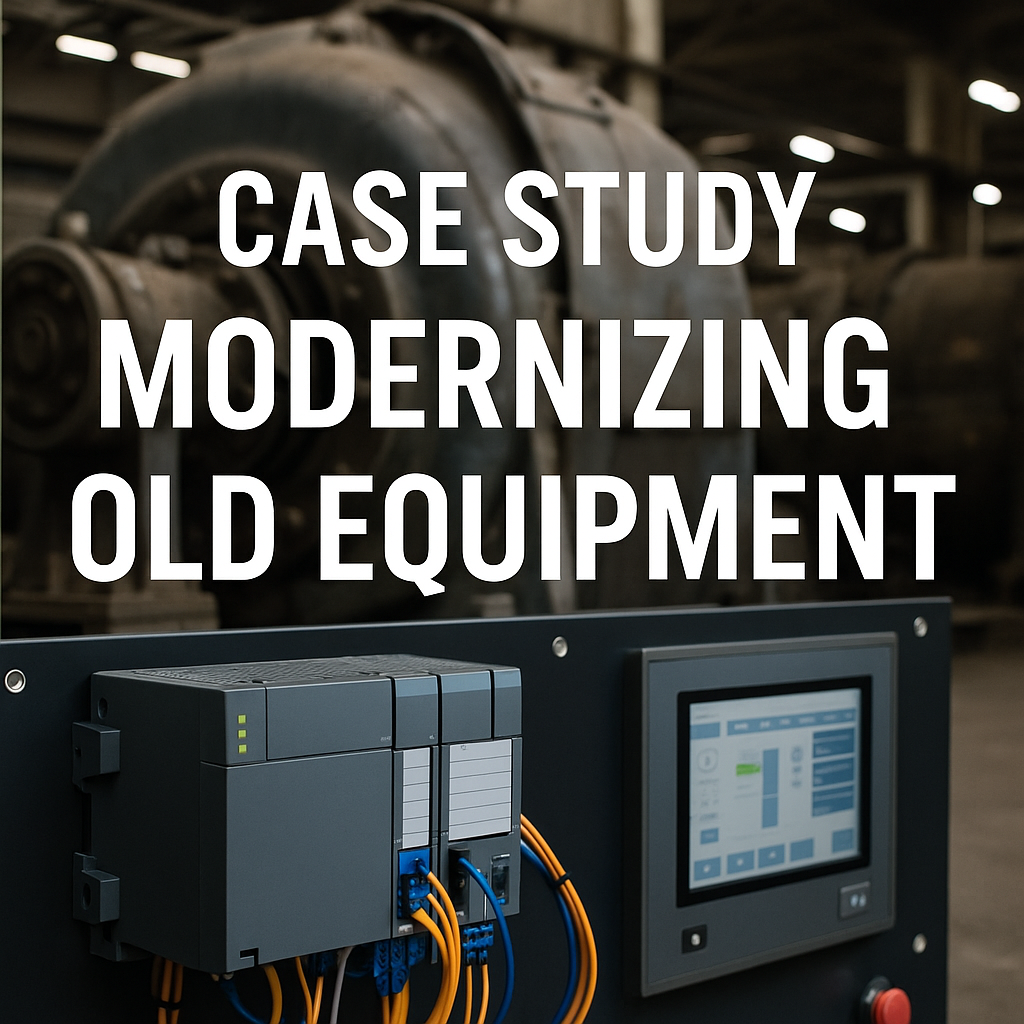
How Modernizing Old Equipment Improved Productivity: Industrial Case Study
Modernizing old industrial equipment is one of the most cost-effective ways to increase productivity without replacing entire machines. In this case study, we break down how a manufacturing plant transformed outdated systems into a modern, efficient, and maintainable production line—without the high cost of full equipment replacement. Background A mid-sized manufacturing facility was running several…
Read More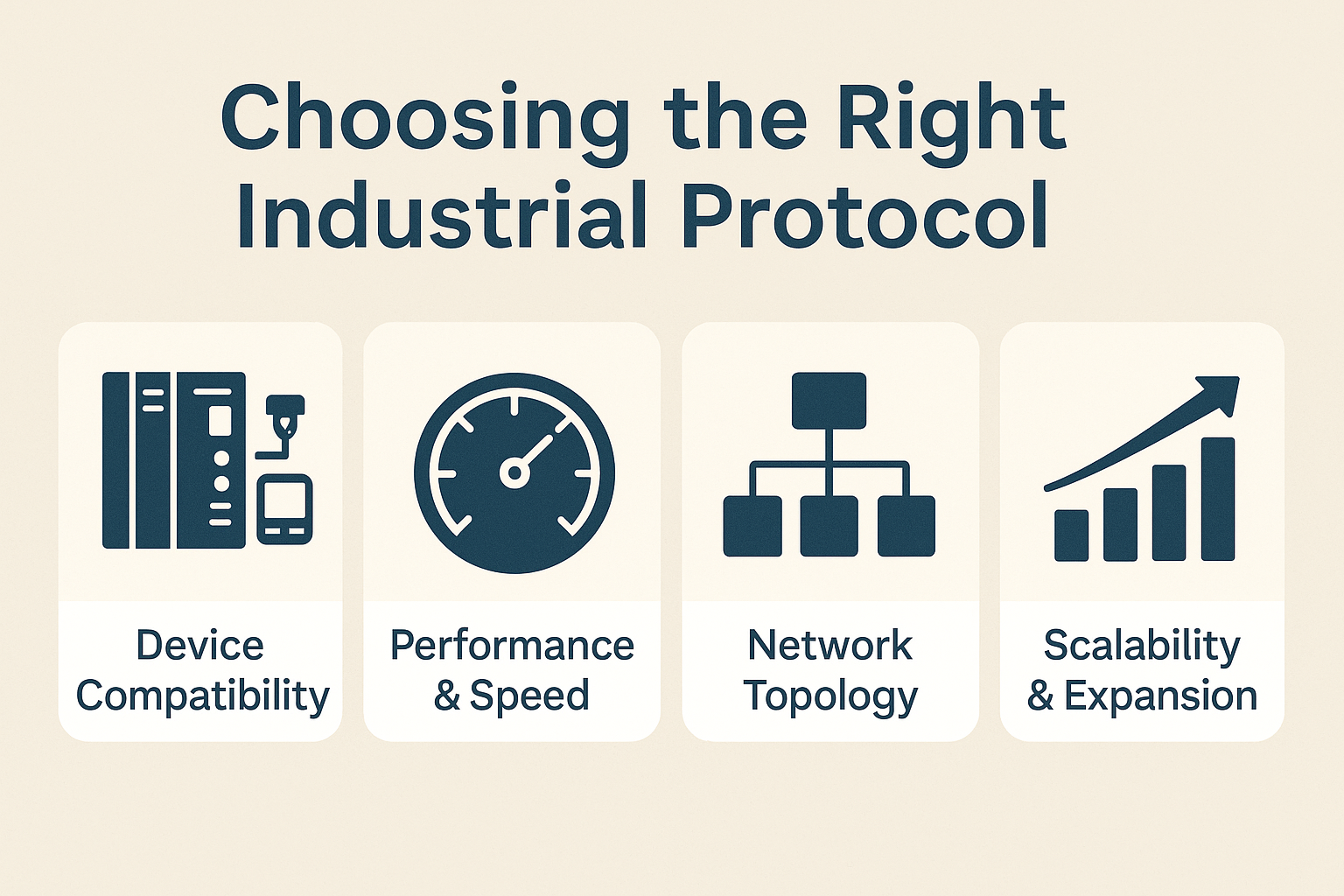
How to Choose the Right Industrial Protocol for Your Automation System
Choosing the Right Industrial Protocol: A Practical Guide for Modern Automation Selecting the correct industrial protocol is one of the most important decisions in automation design. The protocol you choose directly affects system performance, data speed, interoperability, scalability, and long-term reliability.Whether you’re designing a new line, upgrading old controllers, or integrating multiple vendors, this guide…
Read More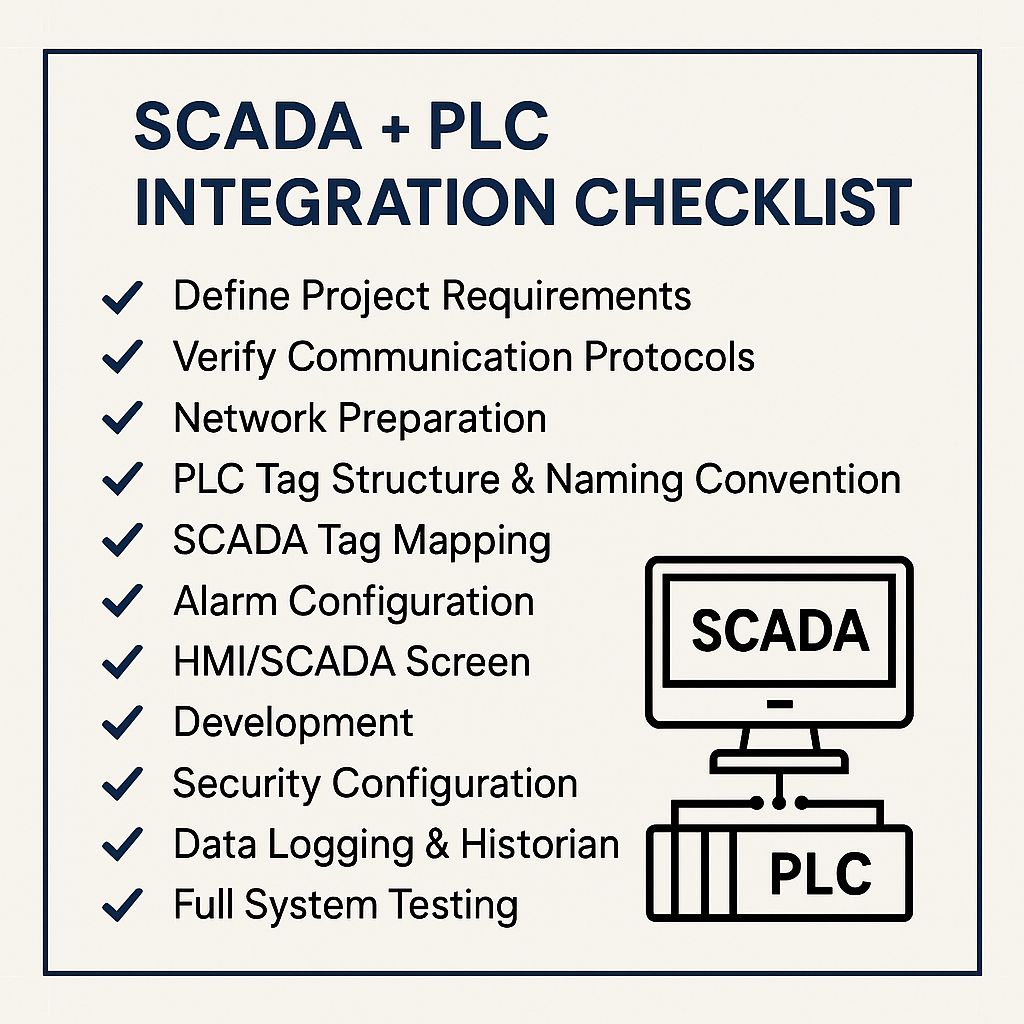
SCADA + PLC Integration Checklist: A Complete Guide for Modern Automation
SCADA + PLC Integration Checklist Integrating a SCADA system with PLCs is one of the most important steps in building a modern, reliable, and scalable industrial automation environment. A properly executed integration improves visibility, reduces downtime, and allows operators to make faster, data-driven decisions. To help technicians, engineers, and system integrators streamline the process, here…
Read More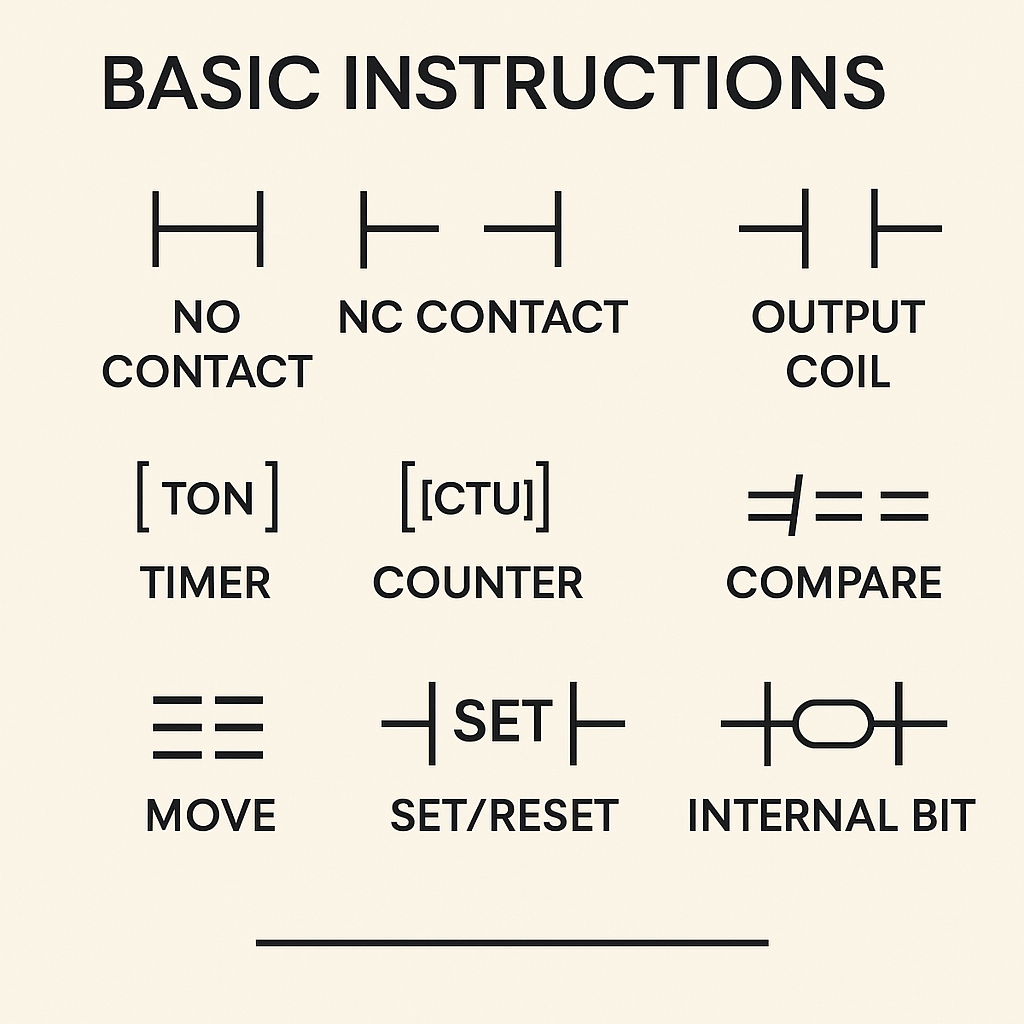
Ladder Logic Basics: Essential PLC Instructions Explained
Ladder Logic – Basic Instructions Ladder Logic (LD) is the most widely used programming language in PLC automation. Its visual, relay-style structure makes it easy for technicians, electricians, and engineers to understand how a control system behaves. Whether you’re new to PLC programming or refreshing your skills, learning the basic Ladder Logic instructions is the…
Read More
PLC Error Codes List: Complete Troubleshooting Guide for Engineers
Programmable Logic Controllers (PLCs) are reliable, but even the best systems encounter faults. When something goes wrong, PLCs generate error codes that help you quickly identify and resolve the issue.This guide provides an easy-to-understand PLC error codes list, common causes, and troubleshooting tips for brands like Siemens, Allen-Bradley, Mitsubishi, and Omron. Why PLC Error Codes…
Read More
PLC Upgrade Case Study: Modernizing an Aging Control System
Modern PLC Upgrade Case Study Upgrading an aging PLC system is one of the most effective ways to improve reliability, reduce downtime, and prepare an industrial process for modern automation demands. This case study walks through a real-world example of a PLC modernization project—from the problems faced with the legacy system to the successful commissioning…
Read More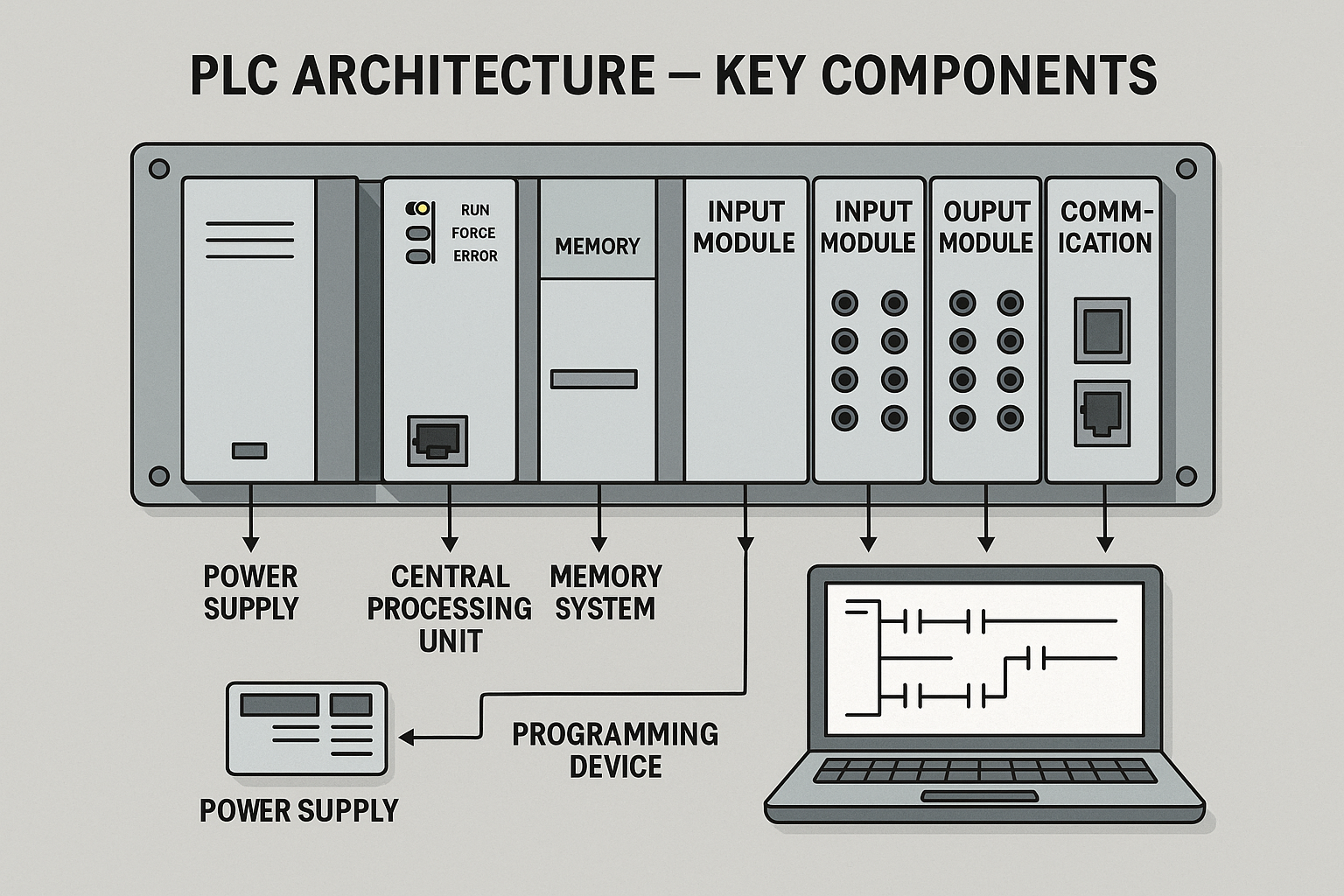
PLC Architecture: Key Components Explained (Beginner-Friendly Guide)
Programmable Logic Controllers (PLCs) are the central building blocks of industrial automation. Their architecture is designed to be rugged, reliable, and modular, allowing them to control everything from simple machines to complex manufacturing lines. Understanding PLC architecture is essential for engineers, technicians, and anyone working with automation systems. In this post, we break down the…
Read More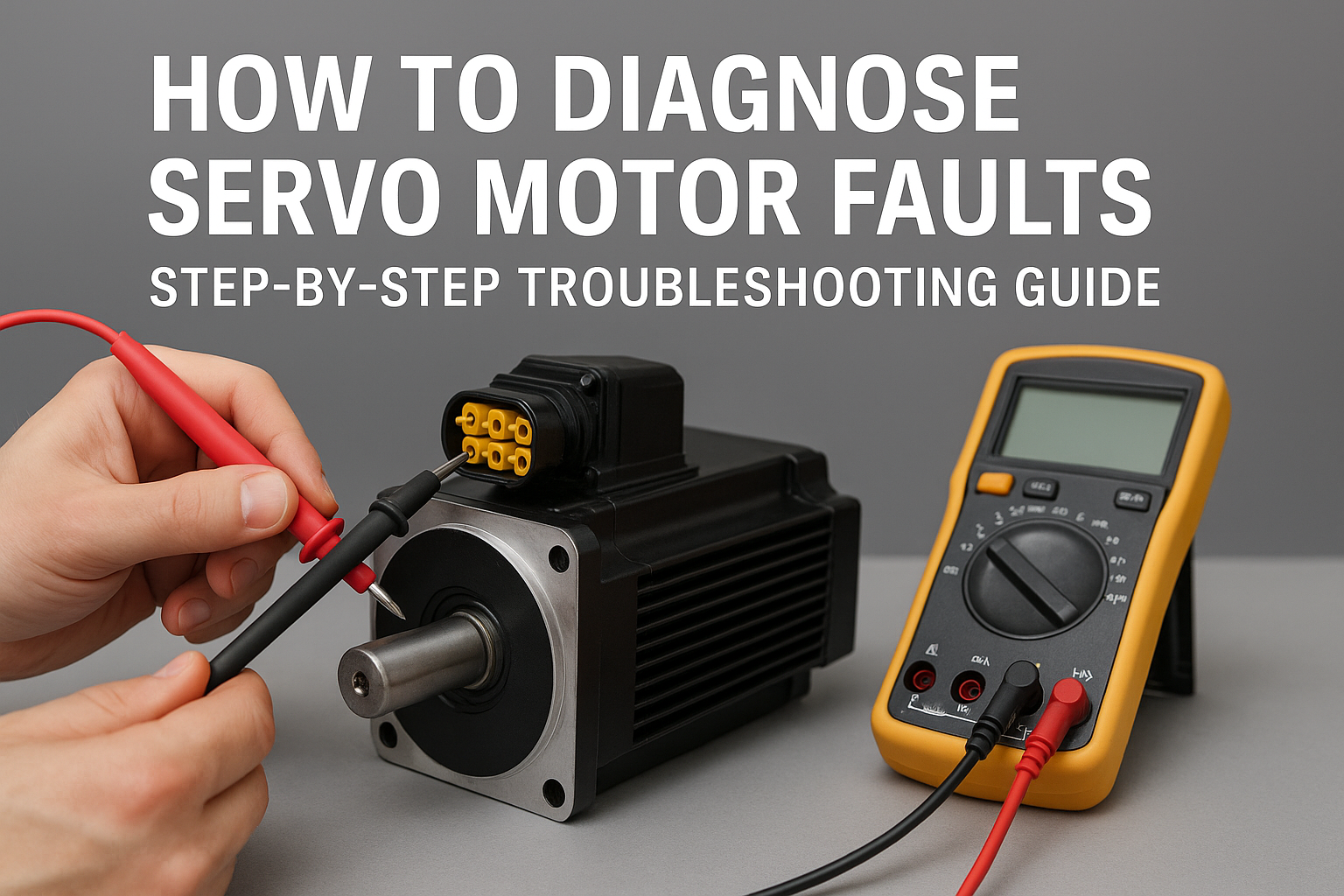
How to Diagnose Servo Motor Faults: Step-By-Step Troubleshooting Guide
How to Diagnose Servo Motor Faults: A Practical Guide for Technicians Servo motors are the backbone of modern automation—precise, fast, and reliable. But when a servo begins to behave unpredictably, stop responding, or trigger alarms, production can come to a halt. The good news? Most servo problems follow common patterns, and with a structured diagnostic…
Read More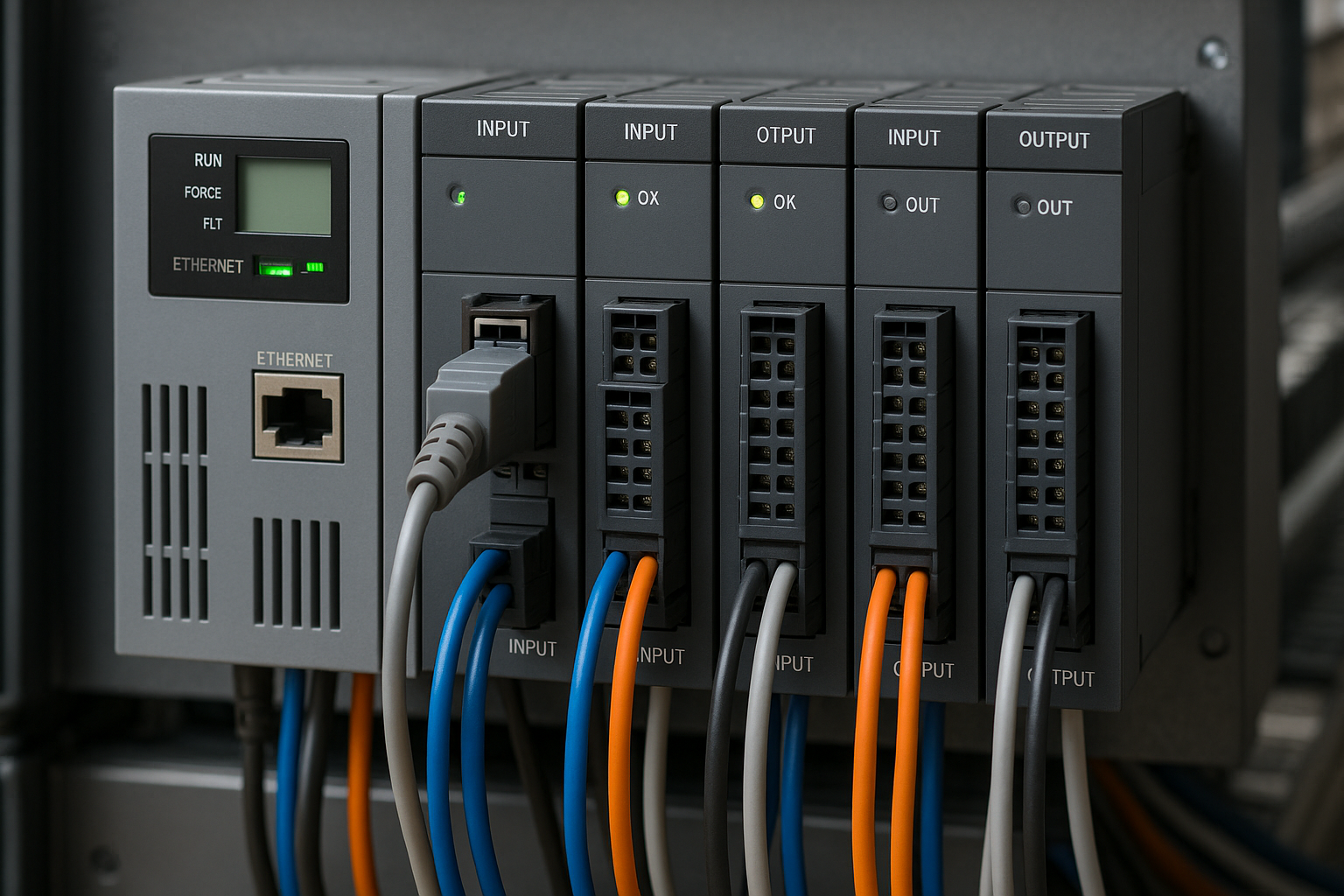
10 Common Uses of PLCs in Industry Today (With Examples)
Programmable Logic Controllers (PLCs) are the backbone of modern industrial automation. Originally designed to replace relay logic, PLCs have evolved into powerful, flexible controllers capable of managing complex processes with high reliability. Today, they are used across virtually every sector that relies on machinery, production lines, or automated systems. Below are 10 of the most…
Read More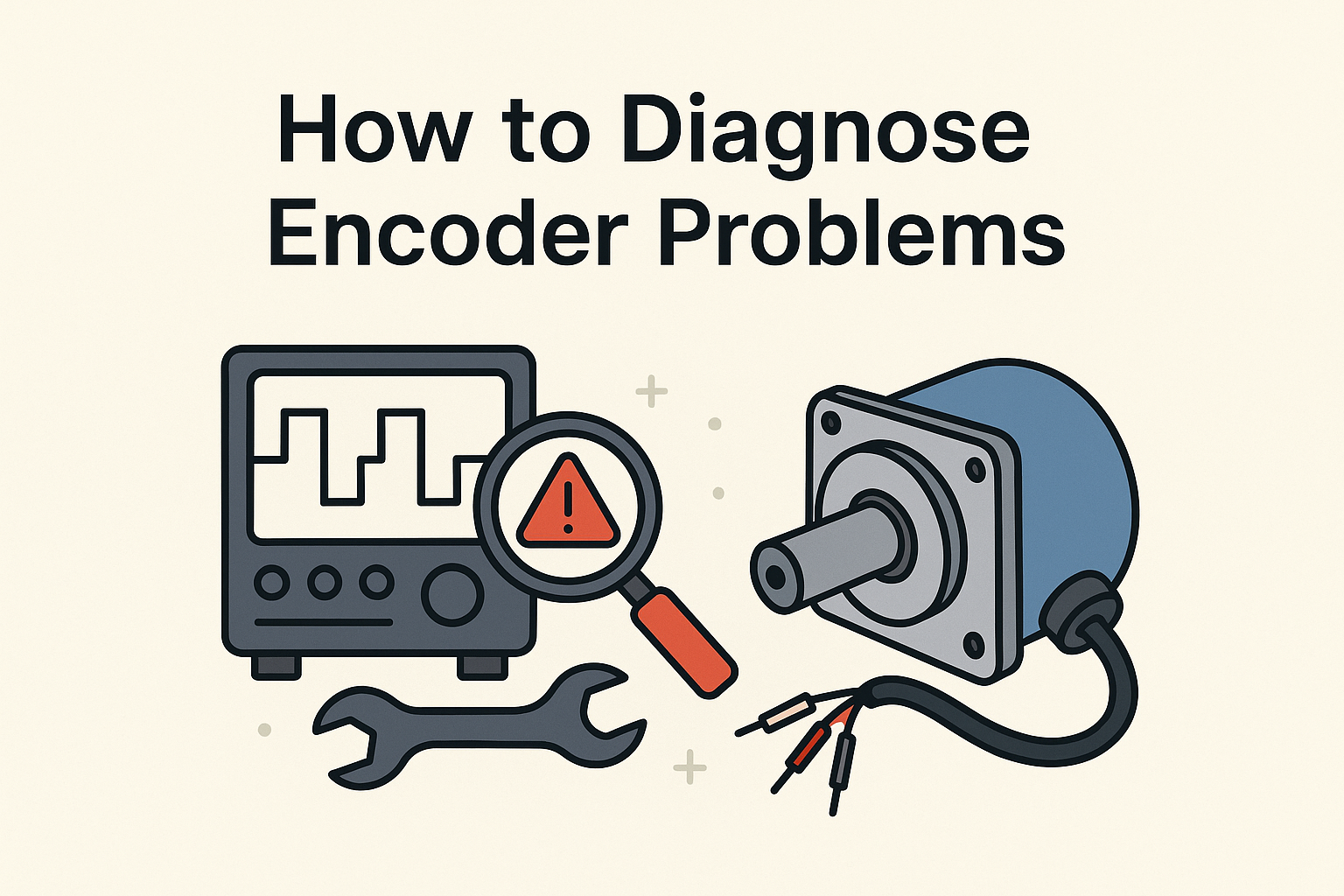
How to Diagnose Encoder Problems: A Simple and Practical Guide
Encoders are essential for accurate position and speed feedback in servo motors, stepper systems, robotics, and industrial automation. When an encoder fails or gives incorrect data, machines may behave unpredictably — and diagnosing the issue quickly becomes critical. This guide explains the most common encoder problems, how to identify them, and the simple steps you…
Read More